
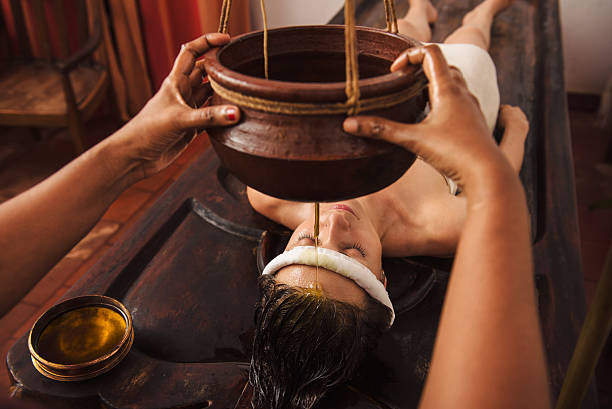
Discover the fascinating history of Ayurveda in India, a holistic healthcare system that dates back thousands of years. This article explores the origins, principles, and practices of Ayurveda, highlighting its relevance in modern times. Uncover the ancient wisdom behind Ayurveda's natural remedies, herbal medicines, and personalized treatments, and learn how it continues to play a vital role in promoting holistic well-being today.
In the world of healthcare, Ayurveda is a term that has gained significant recognition and popularity over the years. But what is Ayurveda, and how has it evolved over time? In this blog post, we will delve into the rich history of Ayurveda in India, exploring its ancient roots, historical context, current trends, and potential future implications. So, grab a cup of herbal tea and join me on this journey to discover the fascinating world of Ayurveda.
To understand the history of Ayurveda, we must travel back thousands of years to ancient India. Ayurveda, which translates to "the science of life," is a holistic healing system that encompasses every aspect of our existence - physical, mental, and spiritual. It is believed to have originated around 5000 years ago, making it one of the oldest healthcare systems in the world.
According to ancient texts such as the Charaka Samhita and Sushruta Samhita, Ayurveda was considered a divine gift from the gods to humanity. It was said to have been revealed to the sages during deep meditation and was passed down through generations orally before being written down.
During this period, Ayurveda flourished alongside other Vedic sciences. The Vedas, ancient Indian scriptures, contain references to medicinal herbs and practices used for healing. At this time, Ayurveda was primarily practiced by the priestly class and was closely intertwined with religious rituals and ceremonies.
The Classical Period marked a significant milestone in the development of Ayurveda. The ancient texts were compiled, organized, and systematized by renowned scholars such as Charaka and Sushruta. These texts laid the foundation for Ayurvedic principles, including the concepts of Doshas (energetic forces), Dhatus (body tissues), and Malas (waste products).
During this period, Ayurveda expanded its scope beyond spiritual healing to encompass various branches, including surgery, pediatrics, and toxicology. Ayurvedic practitioners developed sophisticated surgical techniques, such as rhinoplasty, cataract removal, and even complex brain surgeries.
With the arrival of Islamic invaders in India, Ayurveda underwent a period of transformation. The Islamic scholars brought their own medical knowledge and practices, which merged with Ayurveda, giving rise to a new era of medical syncretism.
Prominent physicians such as Hakim Sina (Avicenna) and Hakim Ziauddin al-Mardini played a crucial role in translating and adapting Ayurvedic texts into Arabic. This exchange of knowledge led to the enrichment of both Ayurveda and Unani (Islamic medicine).
The advent of British colonial rule in India had a profound impact on Ayurveda. The British introduced their own Western medical system, which they deemed superior to indigenous practices. Ayurveda was marginalized, and traditional practitioners faced discrimination and suppression.
However, Ayurveda managed to survive through the efforts of dedicated practitioners and scholars who kept the ancient knowledge alive. The British eventually recognized the value of Ayurveda and established Ayurvedic colleges and research institutions.
In recent decades, Ayurveda has experienced a resurgence in popularity, both in India and around the world. People are increasingly seeking natural and holistic approaches to healthcare, and Ayurveda offers a comprehensive system that addresses the root causes of illness rather than just alleviating symptoms.
Ayurvedic treatments, such as herbal remedies, massages, and dietary modifications, are gaining traction for their effectiveness in promoting overall well-being. Ayurvedic resorts and wellness centers have sprung up in various tourist destinations, attracting individuals seeking rejuvenation and relaxation.
One of the fascinating trends in the healthcare industry is the integration of Ayurveda with modern medicine. Recognizing the value of Ayurveda's holistic approach, many healthcare practitioners are incorporating Ayurvedic principles into their practice.
In India, several hospitals and clinics have established Ayurvedic departments alongside conventional medicine departments. This integration allows patients to benefit from the best of both worlds, combining the ancient wisdom of Ayurveda with the advancements of modern science.
To further solidify its position in the healthcare industry, Ayurveda has also witnessed increased scientific research and validation. Researchers are conducting studies to explore the efficacy of Ayurvedic treatments and their potential applications in various illnesses.
For example, studies have shown the effectiveness of Ayurvedic herbs like Turmeric (Curcuma longa) in reducing inflammation and managing chronic conditions like arthritis. Similarly, Ashwagandha (Withania somnifera) has been found to have adaptogenic properties, helping individuals cope with stress and anxiety.
The scientific validation of Ayurveda not only provides credibility but also opens doors for collaborations with modern medicine, creating a more comprehensive and inclusive healthcare system.
As Ayurveda continues to evolve, it holds immense potential for shaping the future of healthcare. Here are a few potential implications and trends to watch out for:
Ayurveda emphasizes the uniqueness of each individual and recognizes that what works for one person may not work for another. With advancements in technology and the availability of genetic testing, personalized medicine could become a reality.
By combining Ayurvedic principles with genetic information, healthcare practitioners may be able to tailor treatments and lifestyle recommendations to an individual's specific needs, leading to more effective and targeted interventions.
The current healthcare system is often focused on treating diseases rather than preventing them. Ayurveda, with its emphasis on maintaining balance and preventing imbalances, offers a valuable perspective on preventive healthcare.
As awareness grows, we may see a shift towards holistic wellness that encompasses not only physical health but also mental and spiritual well-being. Ayurveda's approach of treating the whole person, rather than just the symptoms, aligns with this broader vision of healthcare.
Ayurveda has always emphasized the interconnectedness of humans with nature. In a world grappling with environmental challenges, Ayurveda's principles of sustainability and harmony with the environment can provide valuable insights.
The use of herbal remedies, organic farming practices, and eco-friendly manufacturing processes are all aligned with Ayurvedic principles. As sustainability becomes a global priority, Ayurveda may play a vital role in shaping a more environmentally conscious healthcare industry.
The history of Ayurveda in India is steeped in ancient wisdom and rich tradition. From its origins in the Vedic period to its revival and integration with modern medicine, Ayurveda has stood the test of time. With its holistic approach, Ayurveda offers a profound understanding of health and wellness that resonates with people around the world.
As Ayurveda continues to gain recognition and undergoes scientific validation, its potential implications for the future of healthcare are vast. From personalized medicine to preventive wellness and environmental sustainability, Ayurveda has the power to shape a more holistic and inclusive healthcare system.
So, the next time you reach for that herbal tea or consider natural remedies for your well-being, remember the ancient wisdom of Ayurveda and the profound impact it has had on the healthcare industry throughout history
1. According to historical records, Ayurveda has been practiced in India for over 5,000 years, making it one of the oldest healthcare systems in the world.
2. A survey conducted in 2018 revealed that Ayurveda is still widely used in India, with approximately 80% of the population relying on Ayurvedic remedies and treatments for various health issues.
3. In recent years, the global demand for Ayurvedic products has been on the rise. In fact, a report published by the Ministry of Ayurveda, Yoga & Naturopathy, Unani, Siddha, and Homoeopathy (AYUSH) stated that the export value of Ayurvedic medicines from India reached $446 million in 2019.
4. The World Health Organization (WHO) recognizes Ayurveda as a traditional medicine system and has estimated that around 70% of India's rural population still depends primarily on Ayurvedic healthcare.
5. A study conducted by the All India Institute of Medical Sciences (AIIMS) revealed that Ayurvedic treatments have shown significant success rates in managing chronic diseases such as diabetes and arthritis, with more than 70% of patients experiencing improvement in their symptoms.
WDI Medical Tourism and Research Pvt Ltd
When it comes to planning an Ayurvedic wellness trip to India, it can be overwhelming to navigate the different resorts and treatment centres available. This is where WDI Medical Tourism and Research Pvt Ltd comes in. WDI is a medical tourism company that specializes in Ayurvedic treatments and wellness programs in India.
WDI has partnerships with some of the top Ayurvedic resorts in India. The company also provides personalized Ayurvedic wellness programs, which include consultations with certified Ayurvedic practitioners, personalized treatment plans, and accommodations at a partnering Ayurvedic resort.
What sets WDI apart from other medical tourism companies is its focus on research and innovation in Ayurveda. The company has a team of researchers and Ayurvedic experts who are constantly studying and developing new Ayurvedic treatments and wellness programs. This means that WDI is able to offer its clients the latest and most effective Ayurvedic treatments available.
Our Team | 23.11.2023

Discover the top 15 doctors at Apollo Hospital Mumbai, showcasing their experience and specialties in healthca...
Read More
Looking for the top doctors at KIMS Hospitals Hyderabad? Our article reveals the Top 10 Doctors with extensive...
Read More
Discover the top 10 leading kidney transplant hospitals in India, renowned for their expertise, experienced do...
Read More
Discover the top 10 JCI/NABH accredited multiple myeloma hospitals in India, along with success stories of int...
Read More
Discover the 10 top JCI/NABH accredited cardiac surgery hospitals in India that offer world-class care and exp...
Read More
Looking for the top JCI/NABH accredited bone marrow transplant hospitals in India? Discover the top 10 hospita...
Read More
Discover the top 10 leading blood cancer hospitals in India, renowned for their cutting-edge treatments and ex...
Read More
Discover the top 10 leading open heart surgery hospitals in India offering cutting-edge healthcare services. F...
Read More
Discover the top 10 leading cardiac surgery hospitals in India that offer world-class treatment and care for h...
Read More
Discover the top 10 JCI Accredited Bone Marrow Transplant Hospitals in India through this informative article....
Read More
Discover the top 5 JCI Accredited Pediatric Cardiac Surgery Hospitals in India with outstanding success storie...
Read More
Looking for the best JCI Accredited CAR-T Cell Therapy Hospitals in India? Explore the top 5 hospitals with su...
Read More
Discover the top 10 JCI accredited heart surgery hospitals in India with established reputations, specialized ...
Read More
Discover the top medical tourism company in India offering a range of services for international patients. Lea...
Read More
Discover the top 10 JCI accredited spine surgery hospitals in India offering world-class healthcare services. ...
Read More
Looking for top-notch medical tourism services in India? Explore WDI Medical Tourism, a renowned company offer...
Read More
Experience top-notch healthcare services in India with WDI Medical Tourism. Discover a trusted company offerin...
Read More
Discover the top 10 JCI/NABH accredited liver transplant surgery hospitals in India with outstanding success r...
Read More
Discover the top 10 JCI/NABH accredited stomach cancer treatment hospitals in India with this comprehensive ar...
Read More
Looking for the top JCI/NABH accredited prostate cancer treatment hospitals in India? Discover the best-establ...
Read More
Discover the top 10 JCI/NABH accredited Bone Marrow Transplant (BMT) hospitals in India with established reput...
Read More
Looking for the top oncologists in Chennai for international patients in 2026? This article features a curated...
Read More
Looking for the top blood cancer treatment hospitals in Gurgaon for international patients in 2026? This artic...
Read More
Looking for the top stomach cancer treatment hospitals in Hyderabad for international patients in 2026? Explor...
Read More
Looking for the top breast cancer treatment hospitals in Hyderabad for international patients in 2026? Explore...
Read More